


Poor lighting quietly works against people. Eye strain, headaches, and fatigue at the end of the day are often signs that the space is not being supported by the light.Lota makes that visible. We analyse the lighting conditions, identify what needs to change, and help you turn daylight, artificial lighting, or the interaction between them into a strength rather than a burden.
Negative influencer vs. positive influencer
Poor lighting works quietly against people. It drains energy, weakens concentration, and can disrupt sleep without the cause being obvious. Proper lighting does the opposite. It supports wellbeing, focus, and performance in the space.
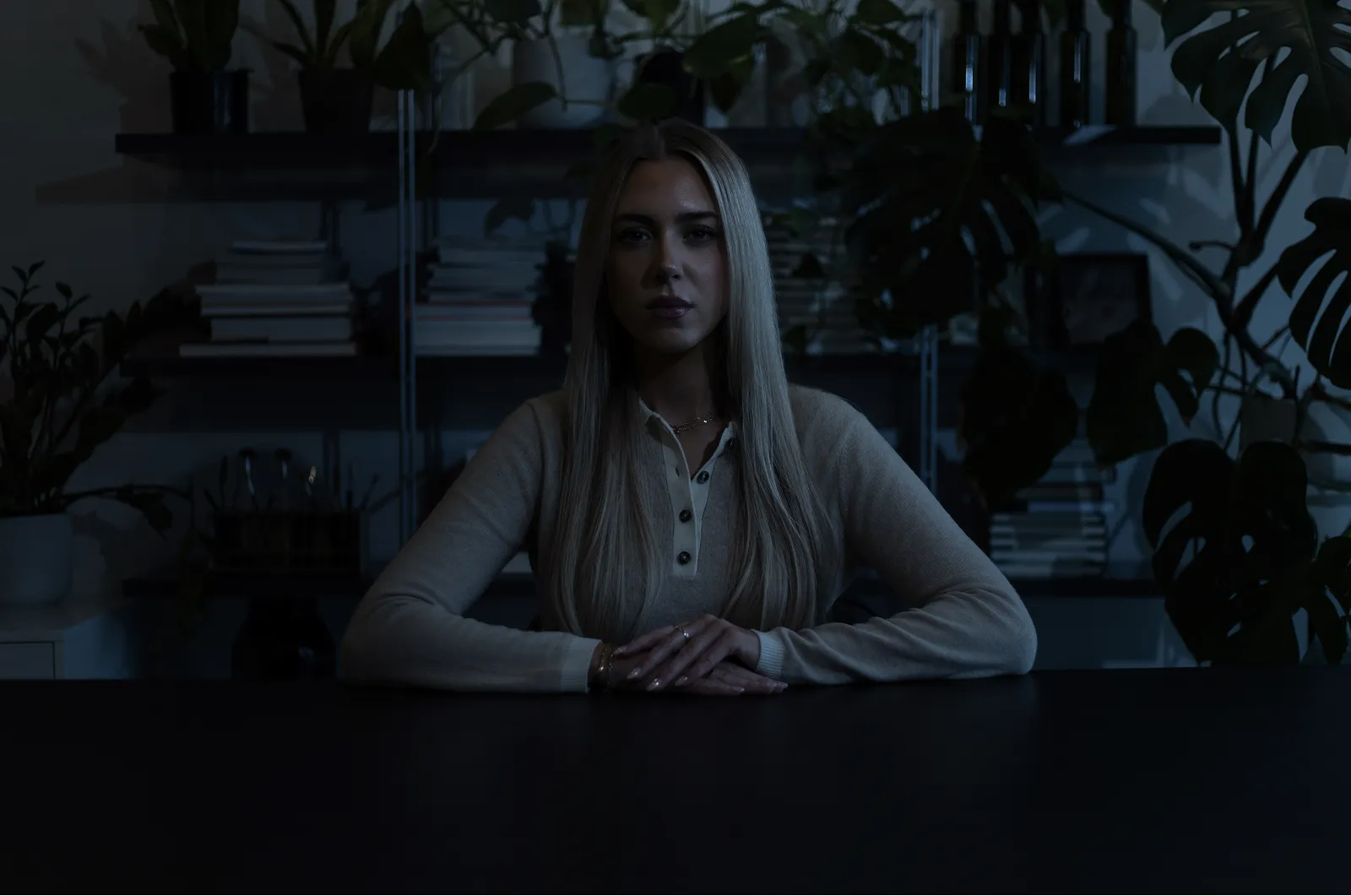

Eye strain and headaches
Poor lighting puts the visual system under constant strain. When light is too dim, too harsh, or poorly adjusted, fatigue builds throughout the day, even though the problem lies in the lighting, not the task.
Reduced sleep and wellbeing
Lighting affects far more than what people see. It shapes circadian rhythm, sleep, and how people feel throughout the day. When there is too little daylight or artificial light is poorly timed or poorly tuned, sleep can be disrupted and wellbeing starts to suffer. Good lighting does the opposite. Lota helps you make light a strength for the people in the space.
Lower concentration and performance
When lighting does not support the task, the brain has to compensate for what the eyes are not getting. That added strain reduces concentration, increases fatigue, and lowers performance. Proper lighting removes that burden and supports the work quietly and effectively.
Words from Our Clients


Would you like to point out indoor-environment factors that could affect staff?
Here you can send a short description of conditions in the workplace, for example related to air quality, lighting, or acoustics.
