
When lighting is wrong, we feel it – but rarely connect it directly to the light itself. Eye strain, headaches, and sleepiness at the end of the day are often signs that lighting has become a negative influencer rather than a positive influencer. Light has a direct impact on circadian rhythm, sleep, and day-to-day wellbeing. Lota analyses the situation and helps you identify what can be improved – whether that is natural light, artificial lighting, or the interaction between the two.
Negative influencer vs. positive influencer
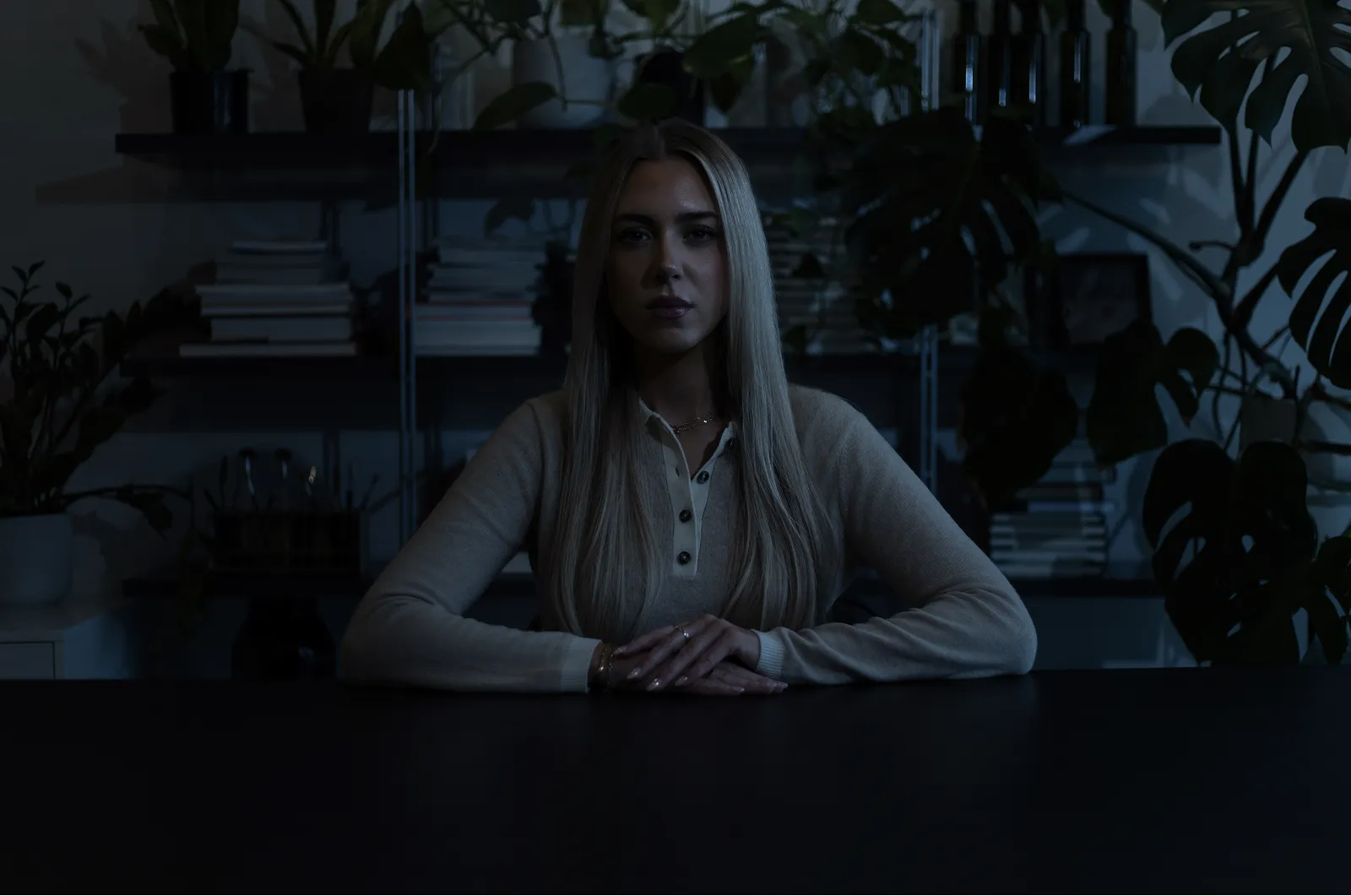
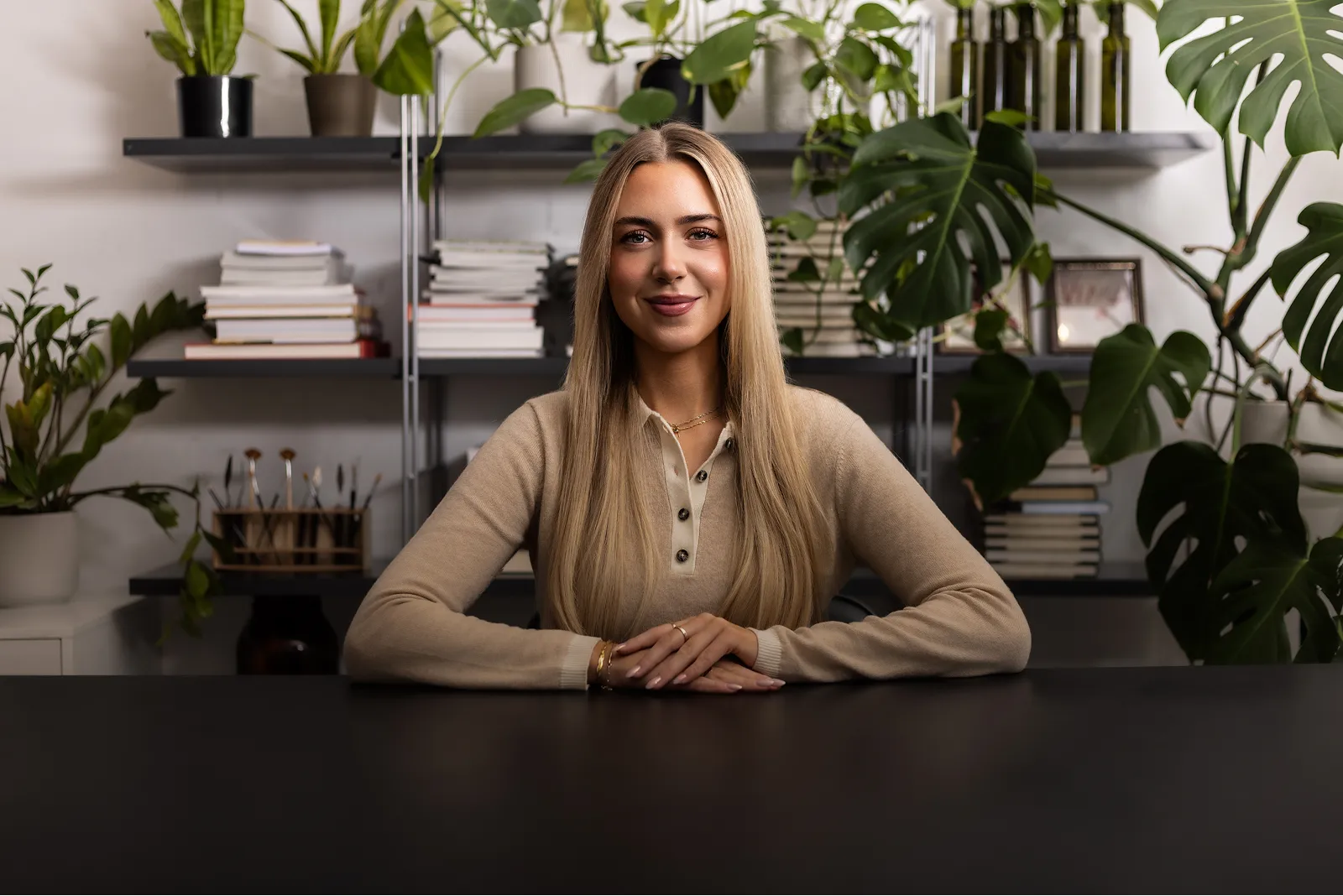
Poor lighting is a quiet negative influencer. It causes fatigue, reduces concentration, and disrupts sleep – without us always linking it directly to the space. Proper lighting reverses this and becomes a positive influencer that supports the people in the space.
Eye strain and headaches
When light is too dim, too strong, or poorly adjusted, the visual system has to work harder – and tires more quickly. This is a negative influencer that shows up as fatigue at the end of the day, even though the cause lies in the lighting rather than in the tasks themselves.
Reduced sleep and wellbeing
Light has a direct effect on circadian rhythm, sleep, and general wellbeing. When lighting during the day is not well calibrated, for example due to a lack of daylight or cool artificial light late in the day, it can disrupt sleep patterns and affect how people feel. People with good access to daylight often sleep better and generally feel better. Lota helps you make light work with the people in the space.
Lower concentration and performance
When lighting does not support the task at hand – whether that is precision work, reading, or a meeting – the brain has to make up for what the eyes are not getting. That extra load shows up as reduced concentration and lower performance. Proper lighting eases that burden and supports the work without drawing attention to itself, while poor lighting becomes a negative influencer that people too often just get used to.
Words from Our Clients


Would you like to point out indoor-environment factors that could affect staff?
Here you can send a short description of conditions in the workplace, for example related to air quality, lighting, or acoustics.
